
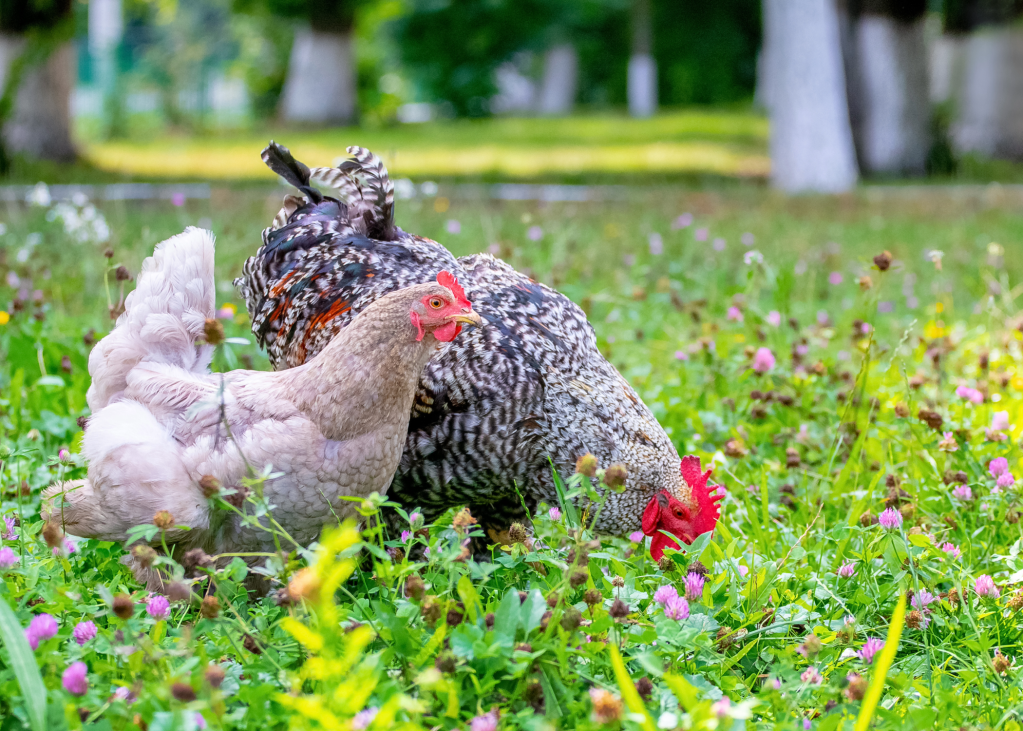
The Basics of Homesteading: Getting Started on Your Self-Sufficiency Journey

Homesteading is not just a trend; it’s a way of life that emphasizes self-sufficiency, sustainability, and a closer connection to the land. Whether you have a large plot of land or just a small backyard, there are plenty of ways to dive into this rewarding lifestyle. Here, we’ll explore the basics of homesteading and some fun activities to kick off your journey.
What is Homesteading?
Homesteading involves cultivating land, growing your own food, and becoming more self-sufficient. It can mean anything from backyard gardening to raising livestock, preserving food, and living off the grid. The beauty of homesteading is that it can be tailored to fit your lifestyle and space.
Getting Started with Homesteading
1. Start a Garden
- Choose a spot in your yard, or use raised beds if space is limited.
- Begin with easy-to-grow vegetables like tomatoes, lettuce, and beans.
- Consider companion planting to maximize your space and deter pests.
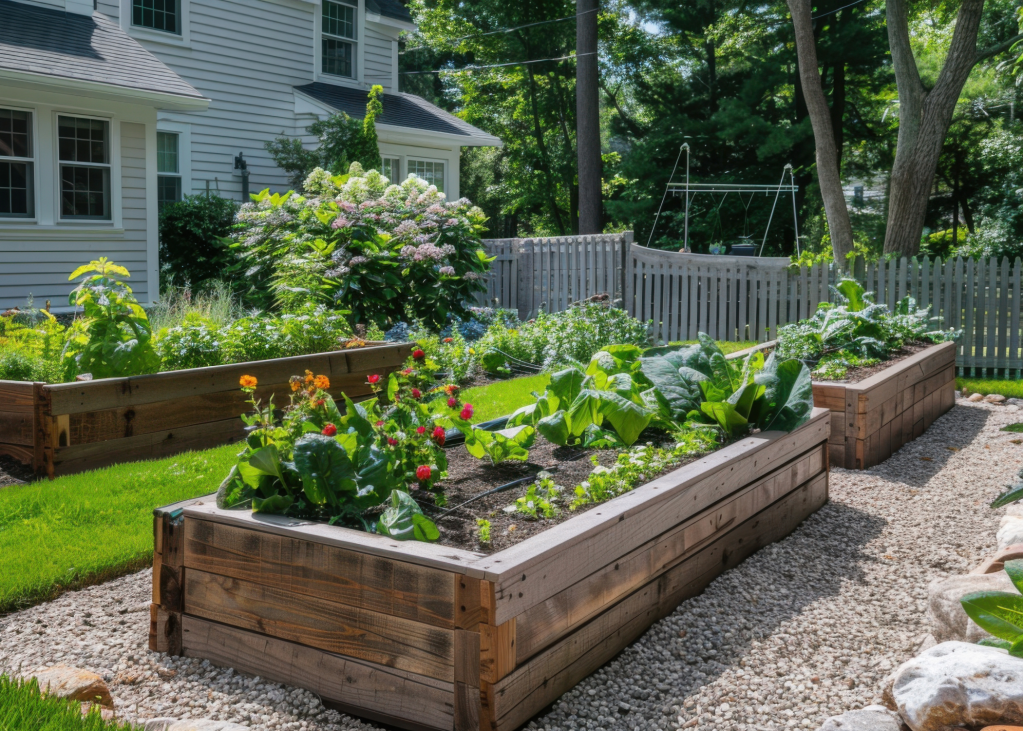
This coming year we plan to put a garden in. I have always had a garden until we moved. It will be fun to be back in the gardening game this year. Even if you don’t have a lot of land, get a few large gardening pots to sit on your porch and grow some tomatoes, peppers, or herbs. It doesn’t have to be perfect. Just have fun!
2. Learn About Composting
- Composting helps recycle kitchen scraps and yard waste into nutrient-rich soil.
- Start a compost bin or pile, and learn what materials are compostable.
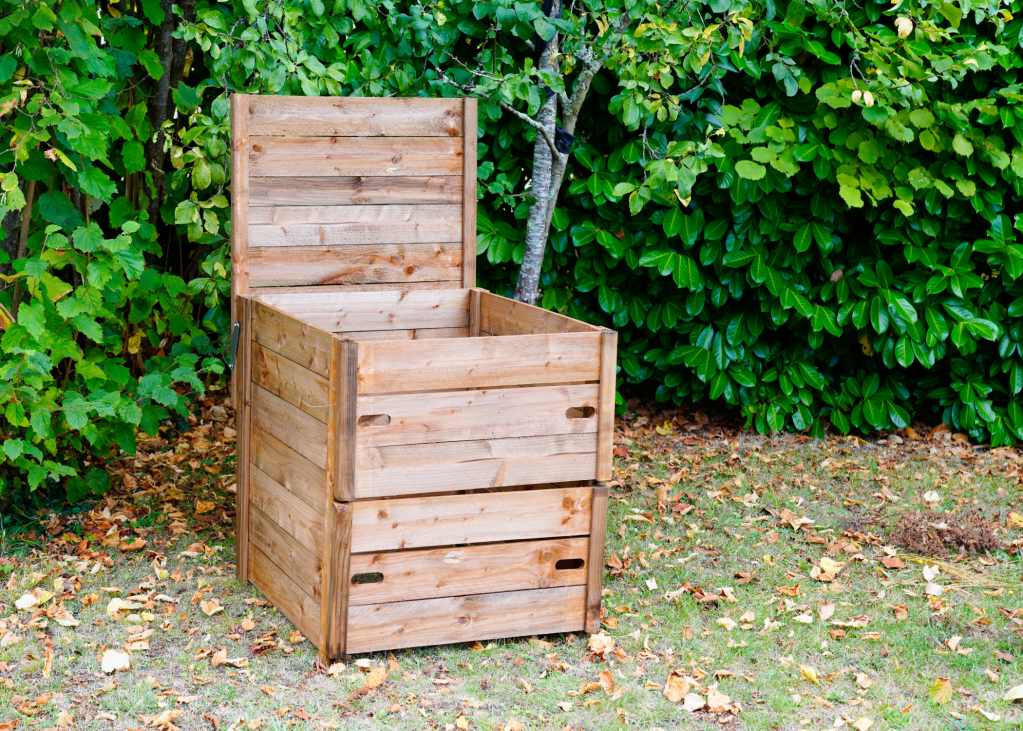
Composting offers numerous benefits, making it an essential practice for sustainable living. By converting kitchen scraps and yard waste into nutrient-rich compost, gardeners can significantly reduce landfill waste while enriching their soil. Compost improves soil structure, aeration, and moisture retention, which promotes healthy plant growth. It provides essential nutrients that boost plant vitality, reducing the need for chemical fertilizers. Additionally, compost can be used as a natural mulch to suppress weeds and regulate soil temperature. Overall, incorporating compost into your gardening routine enhances soil health, supports biodiversity, and fosters a healthier ecosystem.
3. Raise Chickens/Ducks
- Chickens and ducks can provide fresh eggs and help with pest control in your garden.
- Research how to properly care for chickens and ducks and the necessary space and equipment.
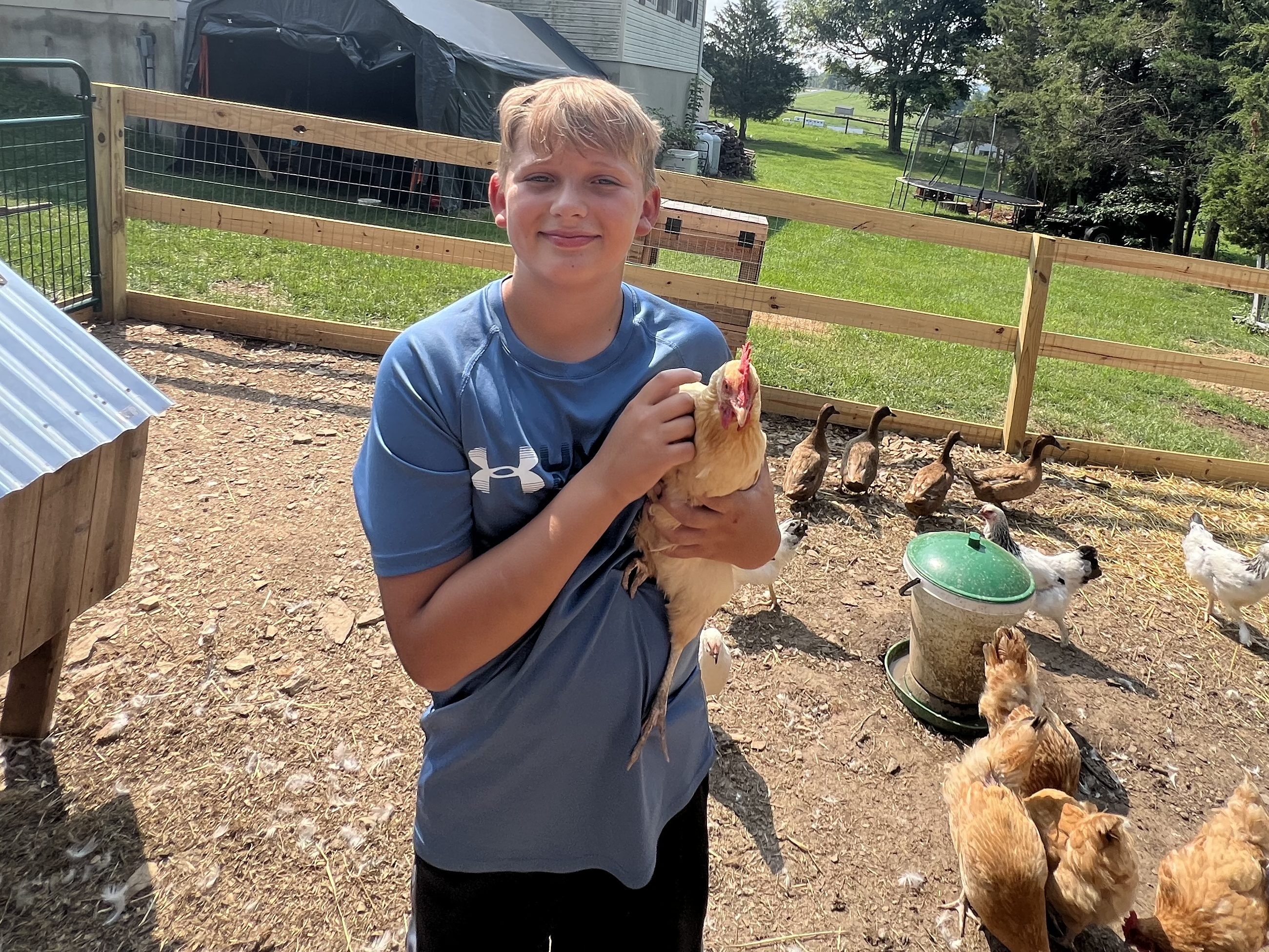
Our family really enjoys this part of homesteading. All the kids like to take part in feeding and collecting the eggs—well, when it’s warm out, that is. It’s not quite the same excitement when it’s cold and rainy, but it’s all part of the journey!
4. Preserve Your Harvest
- Learn about canning, freezing, or dehydrating fruits and vegetables to store for the winter.
- Try making jams, pickles, or sauces to enjoy year-round.
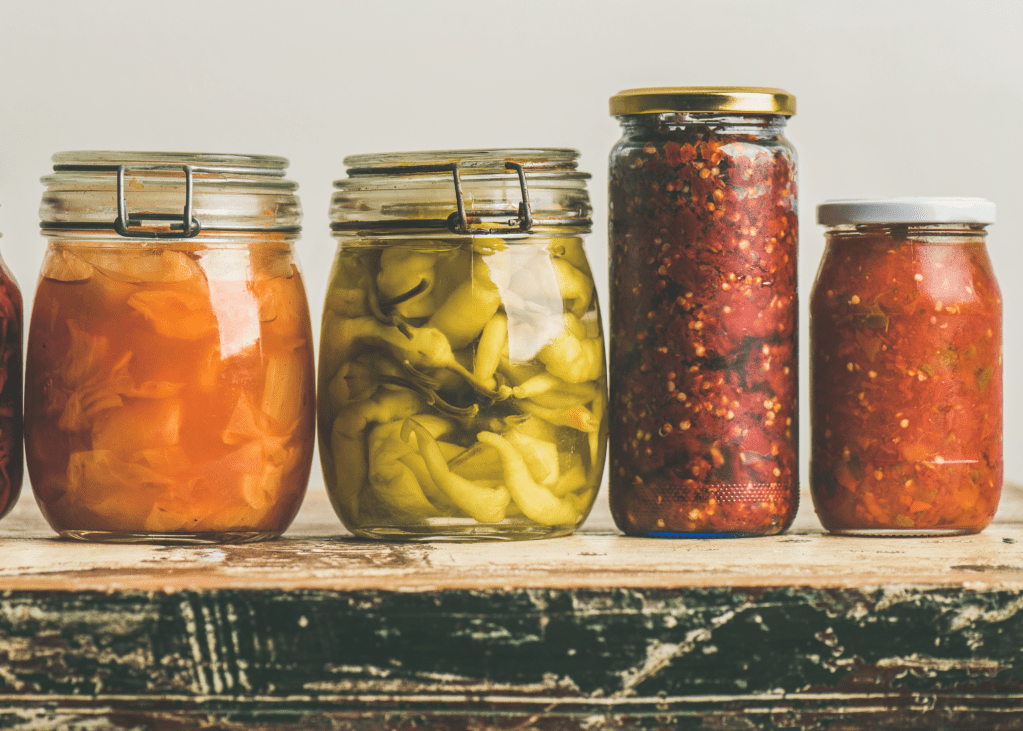
Canning your own food offers numerous benefits that extend beyond simply preserving seasonal produce. First and foremost, it ensures the highest quality and freshness of ingredients, allowing you to control what goes into your jars without preservatives or artificial additives. This homemade approach can lead to healthier eating habits, as you can select organic and locally sourced fruits and vegetables. Additionally, canning allows you to save money by taking advantage of bulk purchases during harvest season and reducing food waste. It also provides a sense of accomplishment and self-sufficiency, as you create delicious, shelf-stable meals that can be enjoyed year-round. Finally, canning can foster a deeper connection with your food, as you engage in a time-honored tradition that has been passed down through generations.
5. Explore DIY Projects
- Build your own raised garden beds, birdhouses, or compost bins.
- Engage in homemade crafts that can be used around the house, like soap-making or candle-making.
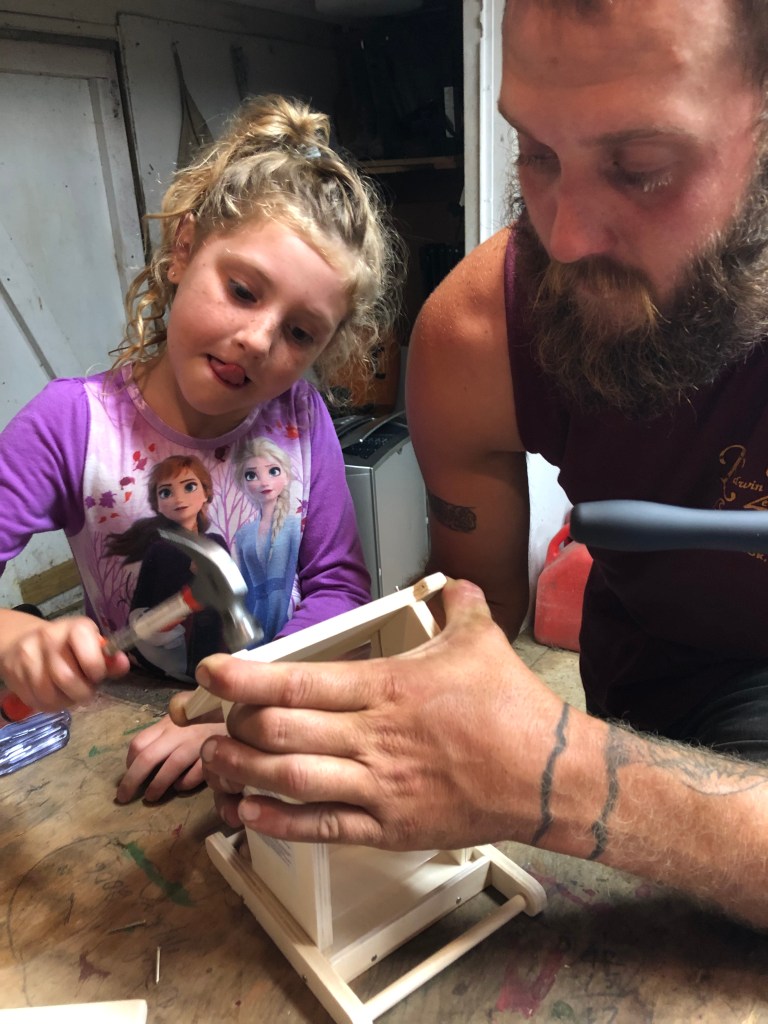
Engaging in fun homestead projects with our children not only strengthens family bonds but also imparts valuable life skills and lessons. Through activities like gardening, building birdhouses, or even preserving fruits and vegetables, children learn the importance of hard work, patience, and responsibility. They gain hands-on experience in understanding where their food comes from and how to care for living things, fostering a deep appreciation for nature and the environment. Such projects encourage creativity and problem-solving as they navigate challenges and experiment with new ideas. Moreover, working together on these tasks instills a sense of teamwork and community, teaching children the value of collaboration and shared goals. Overall, these experiences nurture curiosity and a lifelong love for learning, setting them on a path to becoming responsible, self-sufficient individuals.
6. Engage in Foraging
- Research local edible plants and mushrooms in your area.
- Go on foraging trips to learn about the natural bounty available around you.
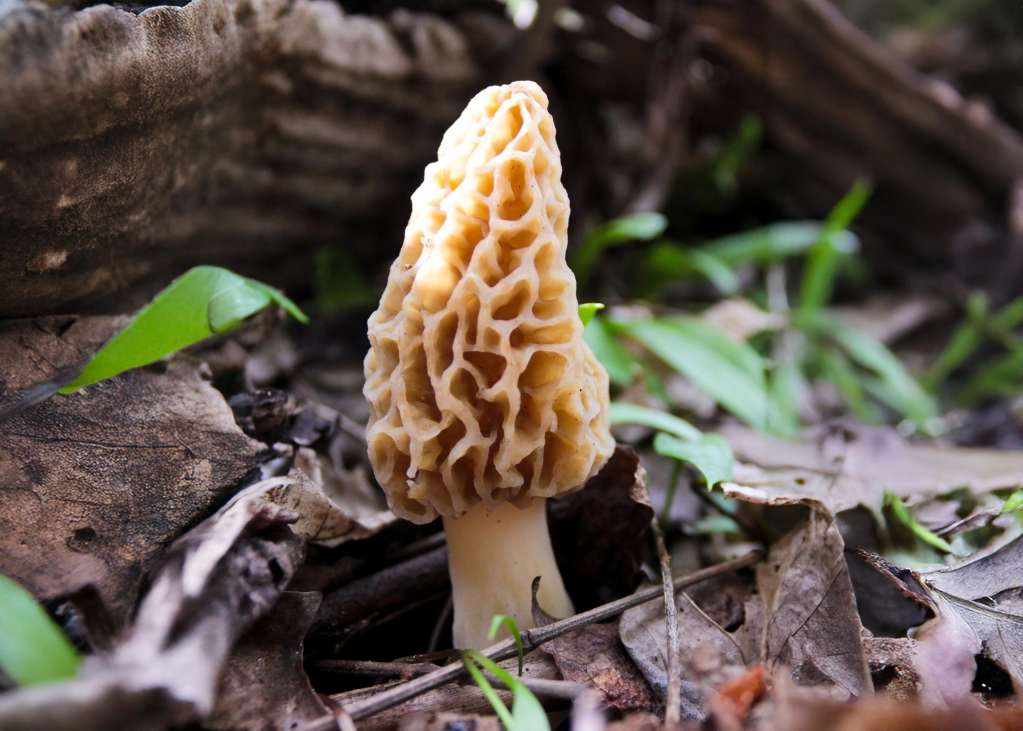
Scotty, the kids, and I enjoy hunting for Morchella mushrooms! They are a popular find in our area. The kids go from tree to tree, checking the base and the trunks. It’s a fun time and rather relaxing. Please note that mushrooms can sometimes look like one kind but actually be another. If you are new to mushroom hunting, please try going with someone with experience so you will be confident in the ones you choose to eat. Mushrooms can be beautiful and delicious or extremely poisonous.
7. Connect with the Community
- Join local homesteading groups or online communities for tips, resources, and support.
- Attend workshops or farmers’ markets to learn from local experts and meet fellow homesteaders.
Fun Activities to Enhance Your Homesteading Experience
- Herb Gardening: Start your own herb garden for fresh flavors in your cooking.
- Host a Potluck: Invite friends and family to share homesteading recipes and ideas.
- Nature Walks: Explore local parks to learn about native plants and wildlife.
- Seasonal Festivals: Attend local festivals that celebrate agriculture and local foods.
Conclusion
Homesteading is a fulfilling way to live more sustainably and connect with nature. Whether you choose to start small with a few plants or dive deep into self-sufficiency, the key is to enjoy the process and learn as you go. Every small step you take contributes to your journey towards a more self-sufficient lifestyle.
Comments
We’d love to hear your thoughts and experiences with homesteading! Share your comments, tips, or questions below.
Comment Section:

 Homestead Hunters
Leave a comment