
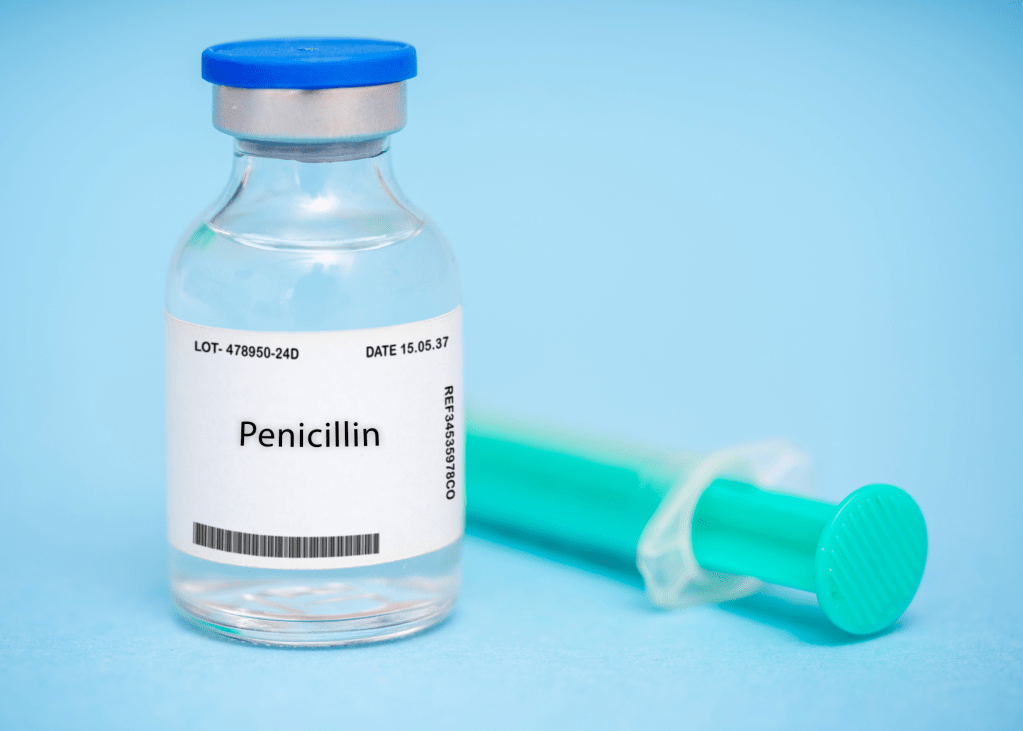

Penicillin, one of the most famous antibiotics, has played a critical role in veterinary medicine since its discovery. This blog post explores what penicillin is, why it is used in animal care, and how it is administered to ensure the health and well-being of our animal companions.
What is Penicillin?
Penicillin is a group of antibiotics that are effective against certain types of bacteria. Discovered by Alexander Fleming in 1928, it revolutionized the treatment of bacterial infections. In veterinary medicine, penicillin is particularly useful due to its efficacy against gram-positive bacteria, which are responsible for many infections in animals.
- Treating Infections: Penicillin is primarily used to treat bacterial infections in animals. These infections can range from minor issues like skin infections to more severe conditions such as pneumonia and urinary tract infections.
- Preventive Measures: In some cases, penicillin is used as a preventive measure after surgical procedures or in at-risk populations to prevent bacterial infections from taking hold.
- Widespread Effectiveness: Many common pathogens affecting livestock and pets are sensitive to penicillin, making it a go-to antibiotic for veterinarians.
- Low Cost: Compared to some modern antibiotics, penicillin is relatively inexpensive, making it accessible for use in both small and large animal practices.
Why Do We Use Penicillin in Animal Care?
How is Penicillin Administered in Animals?
Penicillin can be administered in several forms, depending on the type of infection, the animal’s condition, and the veterinarian’s recommendations:
- Injectable Solutions: One of the most common forms of penicillin used in veterinary practices is in injectable form. It allows for rapid absorption and effectiveness, particularly in acute infections.
- Oral Medications: Some formulations of penicillin are available in oral forms, which can be easier to administer, particularly for pets.
- Topical Applications: In specific cases, penicillin can be used in topical formulations for localized infections, such as on the skin.
Best Practices for Using Penicillin
When prescribing or administering penicillin, it’s essential to follow best practices to ensure efficacy and safety:
- Consult a Veterinarian: Always consult with a veterinarian before administering any medication. They can provide the correct diagnosis and treatment protocol.
- Complete the Full Course: If an animal is prescribed penicillin, it is crucial to complete the full course of treatment, even if symptoms improve, to effectively eradicate the infection and prevent resistance.
- Monitor for Side Effects: As with any medication, monitor animals for any adverse reactions or side effects and report these to a veterinarian promptly.
Conclusion
Penicillin remains an essential part of veterinary medicine, providing effective treatment for a variety of bacterial infections in animals. Understanding how it works and following proper administration guidelines can help ensure the health and well-being of pets and livestock alike. By relying on the expertise of veterinarians and employing responsible antibiotic practices, we can continue to use penicillin effectively to combat infection in the animal kingdom.

 Homestead Hunters
Leave a comment