

How to Take Care of a New Puppy: A Guide for New Pet Owners
Bringing a new puppy home is one of the most delightful experiences in life. However, it comes with a significant responsibility. From choosing the right supplies to understanding your puppy’s needs, this guide will help you navigate the initial days with your new furry friend.
Preparing for Your Puppy’s Arrival
Before you bring your puppy home, it’s crucial to prepare your living space. Here’s what you need to gather:
Essential Supplies
- Food and Water Bowls: Choose non-tip bowls that are easy to clean.
- Quality Puppy Food: Consult your veterinarian for recommendations on high-quality puppy food tailored to your pup’s breed and size. Two of the most highly recommended brands that I prefer:
- Hill’s Science Diet Puppy Food
Hill’s Science Diet Puppy food is specifically formulated to support the nutritional needs of growing puppies. This premium dog food offers several benefits, including:- Balanced Nutrition: It contains a precise blend of nutrients to promote healthy growth and development.
- High-Quality Ingredients: Made with real chicken, this food provides high-quality protein to support strong muscles.
- DHA from Fish Oil: Essential for brain and eye development, DHA helps improve cognitive function in puppies.
- Antioxidant Benefits: Rich in antioxidants, it supports a healthy immune system and overall well-being.
- Digestive Health: Contains prebiotic fiber, which aids in digestive health and promotes a balance of beneficial gut bacteria.
- Tailored for Puppies: Formulated to meet the unique needs of puppies, ensuring they receive the right balance of protein, fat, and carbohydrates for their age and size.
-
Purina Pro Plan Puppy Food: Purina Pro Plan Puppy Food is specially formulated to meet the nutritional needs of growing puppies. It contains high-quality protein and essential nutrients to support healthy growth and development.
- Benefits:
- Optimal Nutrition: The food is enriched with the right balance of protein, fat, and carbohydrates to fuel a puppy’s energy needs.
- Immune Support: Contains antioxidants and other nutrients that support a strong immune system, helping puppies fend off illnesses.
- Healthy Digestion: Includes prebiotic fiber for promoting digestive health and ensuring nutrient absorption.
- Brain Development: Formulated with DHA from fish oil to support brain development and cognitive function.
- High-Quality Ingredients: Made with real meat as the first ingredient, ensuring protein quality and palatability.
- Benefits:
- Hill’s Science Diet Puppy Food
- Crate: A crate provides a safe space for your puppy and aids in house training.
- To determine if you have the proper crate size for your puppy:
- Measure your puppy’s height and length when they’re standing.
- Add a few inches to both measurements for comfort.
- Ensure the crate allows your puppy to stand up, turn around, and lie down comfortably.
- Check manufacturer guidelines for suggested sizes based on your puppy’s breed and expected adult size.
- To determine if you have the proper crate size for your puppy:
- Leash Harness and Collar: Invest in a good-quality collar with an ID tag and a sturdy leash. Harnesses are highly recommended because they provide better control over your puppy, reducing the risk of injury to the neck. They distribute pressure more evenly across the dog’s body, which is especially important for small breeds or those prone to respiratory issues. Additionally, harnesses can help prevent puppies from slipping out, enhancing safety during walks.
- Toys: Provide chew toys and interactive toys to keep your puppy entertained and to help with teething.
- Good Chew Toys:
- Made from durable materials like rubber or nylon
- Specifically designed for puppies, with appropriate sizes and textures
- Promote dental health and provide mental stimulation
- Bad Chew Toys:
- Made from soft plastic or materials that can break off easily
- Too small, posing a choking hazard
- Toys with harmful chemicals or non-dog-safe materials
- Good Chew Toys:
- Grooming Supplies: A brush suitable for your puppy’s coat, nail clippers, and puppy shampoo will be necessary for grooming.
- Puppy Pads: If you’re potty training, these can be helpful during the initial stages.
Puppy-Proofing Your Home
Puppies are naturally curious and tend to explore their surroundings. Take some time to puppy-proof your home:
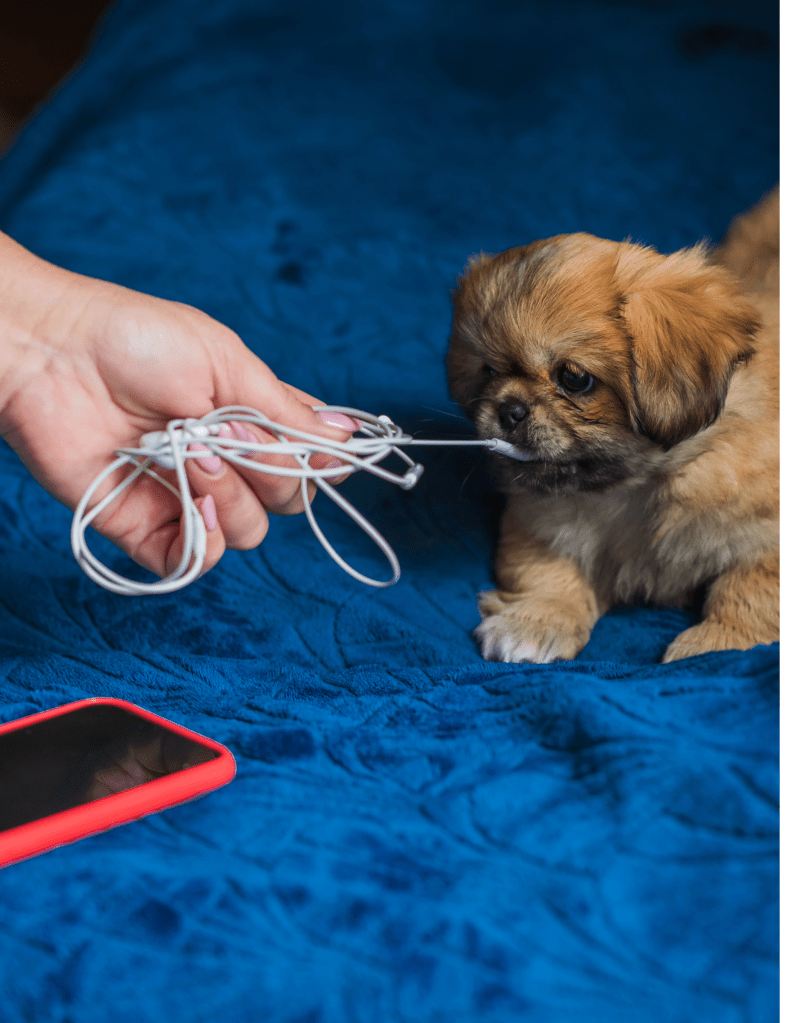
- Remove toxic plants, small objects, and electrical cords from reach.
- Secure trash cans to prevent your puppy from rummaging through them.
- Block off stairs and hazardous areas to keep your puppy safe.
The First Few Days
Your puppy’s transition to a new home can be overwhelming. To help ease the process, follow these tips:
Create a Safe Space
Set up a designated area in your home where your puppy can feel secure. This space should include their bed, water, and a few toys. Keep noise to a minimum during the first few days to help them adjust.

Establish a Routine
Consistency is key for puppies. Create a daily schedule for feeding, potty breaks, playtime, and bedtime. This helps your puppy understand what to expect and fosters confidence.
Finding a dog walker
Having a dog walker is essential for those who work and have a new puppy, as it ensures that your puppy receives the necessary exercise, socialization, and bathroom breaks throughout the day. A professional dog walker provides companionship and stimulation, helping to reduce boredom and anxiety that can accompany being home alone. This support not only enhances your puppy’s physical health but also contributes to their emotional well-being, allowing them to thrive even when you’re not around. With a reliable dog walker, you can maintain peace of mind knowing your puppy is well cared for while you fulfill work commitments.

Fetch! Pet Sitting & Dog Walking in Lebanon
I prefer Fetch! Pet Care because they offer a unique puppy service that assists with potty training and basic trick training, while also providing daily updates, ensuring that you and your puppy don’t miss a beat while you’re at work.
Socialization
Introduce your puppy to different environments, people, and other animals gradually. Positive experiences during this crucial period will help your puppy become well-adjusted. Consider enrolling in a puppy socialization class for professional guidance.
Training Your Puppy
Training is an essential part of raising a puppy. Start with basic commands like “sit,” “stay,” and “come.” Be patient and use positive reinforcement techniques, such as treats and praise, to encourage good behavior.
Potty Training
House training your puppy requires patience and consistency. Take your puppy outside frequently, especially after meals, naps, and playtime. Reward them for going potty in the appropriate spot to reinforce the behavior.
Regular Veterinary Care
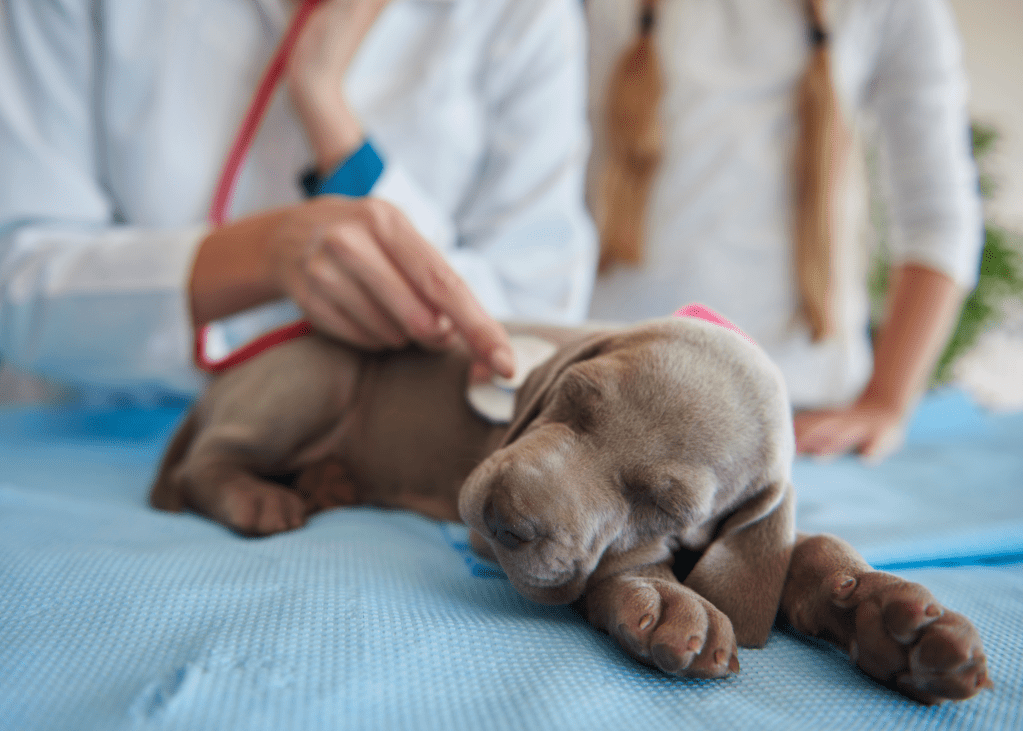
Keep up with your puppy’s health by scheduling a veterinary check-up shortly after bringing them home. Discuss vaccinations, flea and tick prevention, and spaying or neutering options with your vet.
Final Thoughts
Caring for a new puppy is both rewarding and challenging. With the right preparation, guidance, and love, your puppy will grow into a beloved companion. Enjoy the journey of nurturing your new furry friend and remember to cherish each moment together!

 Homestead Hunters
Leave a comment